



What Makes the Mazda Rotary Engine Special?
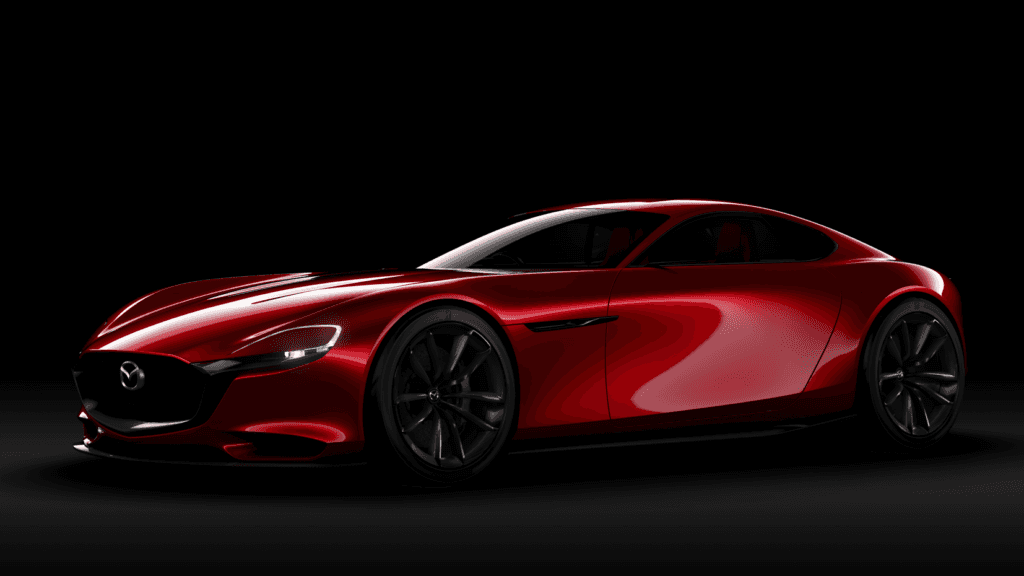
Mazda Rotary Engine: A Fascinating Automotive Technology
Curious about unique automotive technologies, the Mazda rotary engine is a fascinating topic. This unconventional engine design, primarily found in iconic Mazda models, offers both impressive performance and distinctive engineering. In this blog, we’ll explore the workings of the Mazda rotary engine, its historical significance, modern applications, and answer some frequently asked questions about its status and future.
What is a Mazda Rotary Engine?
Known as a Wankel engine, the Mazda rotary engine utilizes a triangular rotor that rotates within an oval-shaped housing instead of the traditional pistons found in conventional engines. This design results in a compact, lightweight engine that promises smoother operation and efficiency.
How Does the Mazda Rotary Engine Work?
- Rotor and Housing: The heart of the rotary engine is its triangular rotor that revolves in an epicycloidal path inside the housing. This unique motion allows for continuous power generation.
- Power Generation: As the rotor moves, it completes four essential engine cycles: intake, compression, combustion, and exhaust effortlessly in a single rotation, providing a consistent power output.
- Fewer Moving Parts: With significantly fewer moving components than traditional piston engines, rotary engines experience less vibration and are generally quieter, enhancing driving comfort.
Key Features and Advantages
- Compact and Lightweight: Rotary engines are incredibly compact, allowing for more efficient vehicle designs, which is advantageous in sports and compact cars.
- High Power-to-Weight Ratio: This makes the rotary engine suitable for high-performance applications, such as the legendary Mazda RX-7 and RX-8.
- Smooth Operation: Unlike traditional engines, the continuous rotation of the rotor leads to a more refined driving experience.
- Inherent Anti-Knock Properties: The design naturally mitigates engine knock, a common issue in conventional piston engines, ensuring more reliable performance.
Modern Developments in Rotary Technology
In recent years, Mazda has embraced the rotary engine’s potential in modern applications. For instance, the Mazda MX-30 R-EV integrates a rotary engine as a range extender, allowing it to power a generator that charges the vehicle’s battery, resulting in over 400 miles of total range.
Mazda is also exploring future possibilities, as seen in the Vision Cross Coupe concept, which features a twin-rotor, turbocharged hybrid powertrain, hinting at an exciting direction for rotary technology.
Historical Context of the Mazda Rotary Engine
Mazda pioneered the rotary engine in the 1960s with the introduction of the 10A engine, famously used in the Series I Cosmo. Over the years, Mazda produced several iconic rotary-powered models, including the RX-7, which featured the celebrated 13B-REW twin-turbo engine, and its successor, the RX-8. The RX-8 remains notable for being Mazda’s best-selling rotary vehicle, with over 470,000 units sold.
FAQs About Mazda Rotary Engines
Does Mazda still make rotary engines?
Yes, Mazda has revived interest in the rotary engine, primarily using it as a range extender in the MX-30 R-EV. Although rotary engines are not currently used in mainstream models, their unique design and benefits continue to intrigue Mazda engineers.
What about the Mazda RX-7 rotary engine?
The RX-7’s rotary engine, especially the 13B variant, is celebrated for its performance and has become a fan favorite among enthusiasts. Its lightweight and compact design contributed to the RX-7’s success in motorsports and as a street car.
What can you tell me about the Mazda RX-8 engine?
The RX-8 featured the Renesis engine, which improved efficiency and emissions compared to previous models. This engine is notable for its high-revving nature and unique dual-side intake port system.
Is the Mazda RX-7 engine better than the RX-8 engine?
This is largely subjective and depends on personal preference. The RX-7 is often favored for its performance and pure, classic rotary feel, while the RX-8 is appreciated for its improvements in efficiency and practicality as a daily driver.
The Mazda rotary engine represents innovative engineering and has left an indelible mark on the automotive world. While the future of rotary technology may evolve, its legacy continues through Mazda’s ongoing exploration of efficient, high-performance solutions. Whether you’re a long-time fan or a newcomer to the topic, the Mazda rotary engine remains a remarkable feat of automotive prowess that deserves attention and appreciation.
More from Kenny Ross Mazda
Complete Guide To The Mazda 3 MPG
Photo Credit: Mazda Real-World Efficiency: What to Know About Mazda 3 MPG Gas prices have a habit of creeping up when you least expect it, making fuel efficiency one of the first things people ask about when shopping for a compact car. If you are comparing commuting options or planning long drives, looking…
Can You Buy A New Mazda Truck Today?
Photo Source/Copyright: Car and Driver If you’re driving around running errands or cruising around the area wondering whether you can buy a new Mazda pickup truck at Kenny Ross Mazda, the short answer is no—at least not directly from the factory floor today. Mazda doesn’t currently offer a brand-new truck in the U.S. lineup,…
Mazda CX-5 MPG Guide For Everyday Drivers
Photo Source/Copyright: MAZDA What to Expect From the Mazda CX-5 MPG Driving around the area—with its steep hills, unpredictable winters, and stop-and-go traffic on the freeways—can take a real toll on your gas tank. If you are shopping for a compact crossover that delivers solid fuel economy without feeling sluggish on highway ramps, checking…